Water Damage vs. Flood Damage: What's the Insurance Difference?
Understanding Water Damage and Flood Damage
Have you experienced water seeping into your home? It’s easy to confuse water damage and flood damage, especially when both can wreak havoc on your property. Knowing the difference is vital, especially when it comes time to file an insurance claim in San Jose.
What Is Water Damage?
Water damage occurs from various sources, such as broken pipes, leaky roofs, or overflowing bathtubs. This type of damage is often sudden and usually confined to one area of your home. Here are some common causes of water damage:
- Burst pipes
- Appliance leaks
- Heavy rain leading to roof leaks
- Humidity and moisture buildup
In many cases, homeowners' insurance policies will cover this kind of damage, provided it’s due to sudden, accidental occurrences. However, it’s essential to read your policy closely to understand how much coverage you have.
What Is Flood Damage?
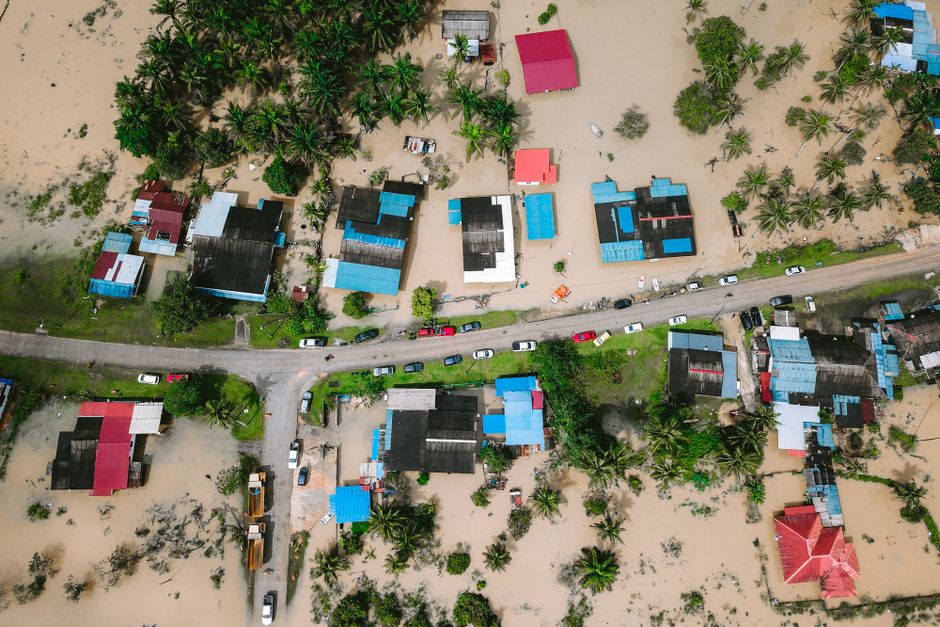
Flood damage, on the other hand, typically involves water inundating areas that are normally dry due to rising water levels or excessive rainfall. This type of damage is often broader in scope and can affect entire neighborhoods, especially in San Jose during heavy storms. Some common scenarios leading to flood damage include:
- Overflowing rivers or lakes
- Storm surges from hurricanes
- Melting snow or ice runoff
Insurance coverage for flood damage is usually not included in standard homeowners' policies. Instead, specialized flood insurance from the National Flood Insurance Program (NFIP) is often required.
Key Differences in Insurance Coverage
So why is it crucial to differentiate between water damage and flood damage regarding insurance?
- Policy Coverage: Homeowners' policies often cover water damage from internal sources but typically don't cover flood damage unless you have a separate policy.
- Claim Process: The claims process may differ based on the type of damage. Water damage claims can sometimes be resolved quicker than flood claims, which may require additional documentation and assessments.
- Deductibles: Flood insurance often has higher deductibles than traditional homeowners' insurance. This means you'll need to pay more out of pocket before your insurance kicks in.
Why Do San Jose Residents Need to Know the Difference?
Given the geographical location and climate of San Jose, you might be wondering why this distinction matters for local homeowners. Knowing the ins and outs of your insurance can save you a lot of trouble when disaster strikes. Here are a few reasons:
- Diverse Weather Patterns: The weather can change rapidly in San Jose, leading to unexpected rain or even flash floods.
- Home Value Protection: Understanding your policy can help protect your investment if water damage occurs.
- Higher Risks: Some neighborhoods in San Jose may be at higher risk for flooding, making it important to consider flood insurance in addition to your standard coverage.
What Happens If You Don’T Have Coverage?
Imagine coming home to find your basement filled with water after a heavy rainstorm, only to realize you don’t have coverage for flood damage. The financial burden can be overwhelming. Without adequate coverage, you may face:
- Significant repair costs
- Loss of personal belongings
- Stress during a crisis
Tips for San Jose Homeowners
Here are some practical tips for homeowners navigating their insurance options in San Jose:
- Review Your Policy: Always read through your homeowners' insurance policy to see what is covered.
- Consider Flood Insurance: If your home is in a flood-prone area, consult with your agent about adding flood coverage.
- Documentation is Key: Keep a record of all home inspections and repairs, which can aid in claims processing.
Understanding the essential differences between water damage and flood damage will empower you as a homeowner in San Jose. Protect yourself and your home by ensuring you have the right insurance coverage.
For more personalized assistance or to discuss your options, contact San Jose Water Damage Restoration Pros at (877) 489-0270. Our friendly team is here to help you navigate these crucial decisions and ensure your home is protected.